Turning strategy into action across the Murray region.

Turning strategy into action across the Murray region.
At Murray Dairy, our projects are driven by the real needs of our region, from feedbase and water use efficiency innovation to leadership development and peer-to-peer learning.
We work with farmers, service providers, research partners, and community groups to deliver initiatives that address local challenges, amplify farmers' voices, and build a stronger, more resilient dairy industry.
Each project is practical, measurable, and connected to our broader strategy for regional impact.
Research for our Region
Accelerating Change
Accelerating Change was a breakthrough program that tracked farm business profitability and productivity with farmers who were experiencing rapid changes in their operating environment.
-
Accelerating Change was a three-year partnership between Murray Dairy, Dairy Australia, Agriculture Victoria and Regional Development Victoria, delivered between February 2015 and June 2018. The aim of the program was to help farmers develop profitable and resilient businesses by driving efficiencies in feedbase and irrigation management.
The project provided information to support the development of resilient and profitable feedbase systems in the Murray Dairy region through three program areas:
Monitoring and measurement
Collecting and analysing data measuring on-farm performance of different forage types, irrigation and water management strategies and feedbase management.
Innovative extension programs
Developing and piloting new extension and learning activities to assist farmers in identifying and implementing changes to their feedbase and driving efficiencies and profitability.
Regionally specific industry analysis program
Reporting on the strengths, weaknesses, opportunities and challenges of the operating environment for farmers in the Murray Dairy region and using this analysis to inform industry strategies such as the Regional Dairy Industry Strategy and Regional Feedbase Strategy.
Fodder for the Future
The Fodder for the Future project was a cross-sectoral collaboration to understand and improve the performance of alternative forage fodder crops in the southern Murray-Darling Basin in response to reduced water availability and climate change.
-
Led by Murray Dairy, the project was delivered under a partnership model with Agriculture Victoria, Birchip Cropping Group, Irrigated Cropping Council, The University of Melbourne, Riverine Plains and Southern Growers. The program was funded by the Australian Government through the Murray–Darling Basin Economic Development Program.
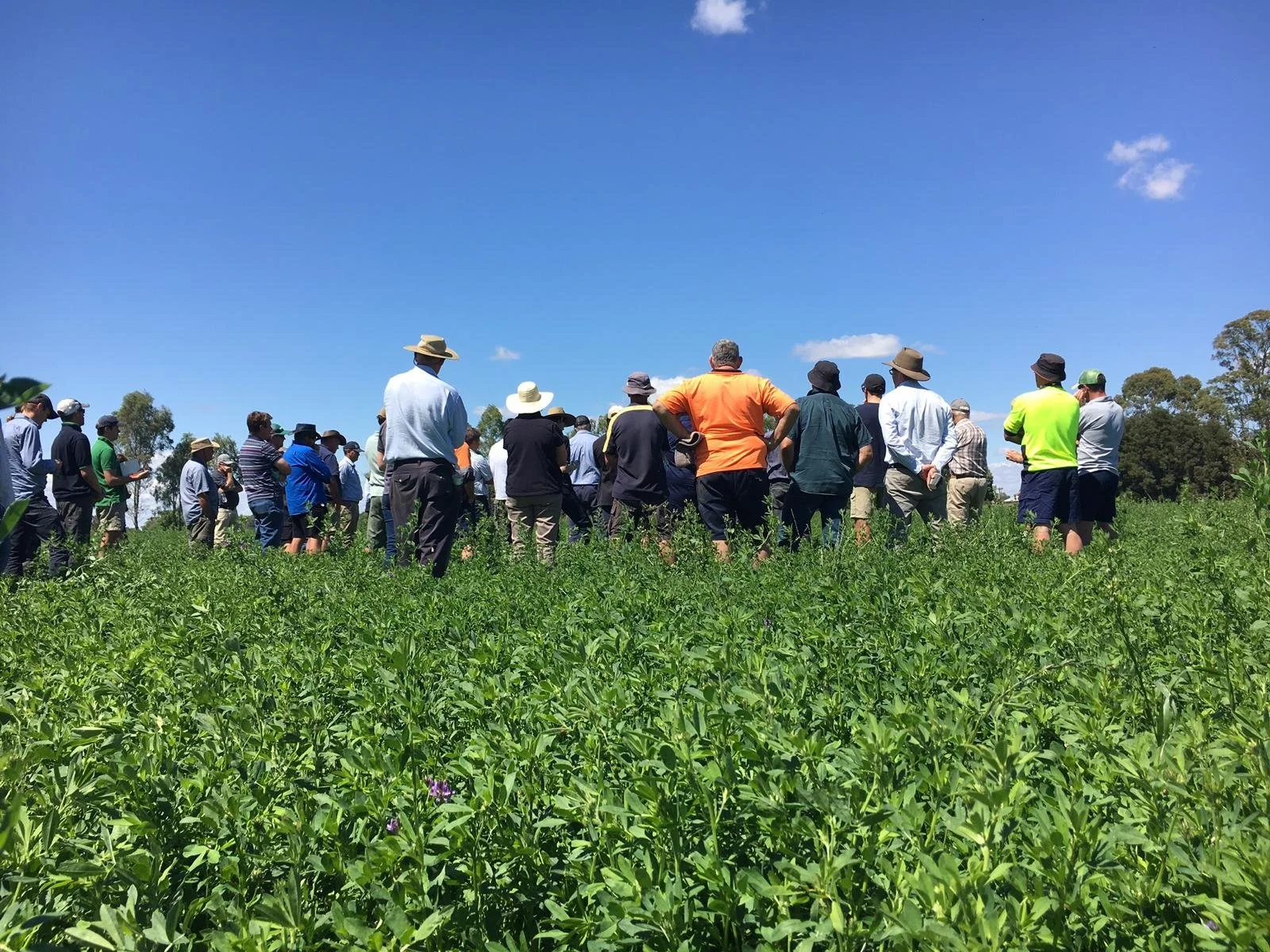
The project engaged 2,016 farmers and service providers. The project established 6 trial sites to showcase the economic and biophysical performance of different winter cereal, vetch and other legumes. Summer forages were also examined at one site. Other sites were supported by a comprehensive range of extension and communication activities. The trial sites delivered a range of technical data to increase industry knowledge about how to improve yield and quality of fodder produced by key winter cereal and summer forages.
A key output of the project is the development of the Fodder for the Future Network, spanning key organisations involved in the delivery of project activities. This Network has emerged as a critical vehicle to share technical knowledge on how to improve fodder production, as well engage an extensive number of farmers and service providers effectively.
C4Milk Profitable Rotations for Intensive Feedbase Systems
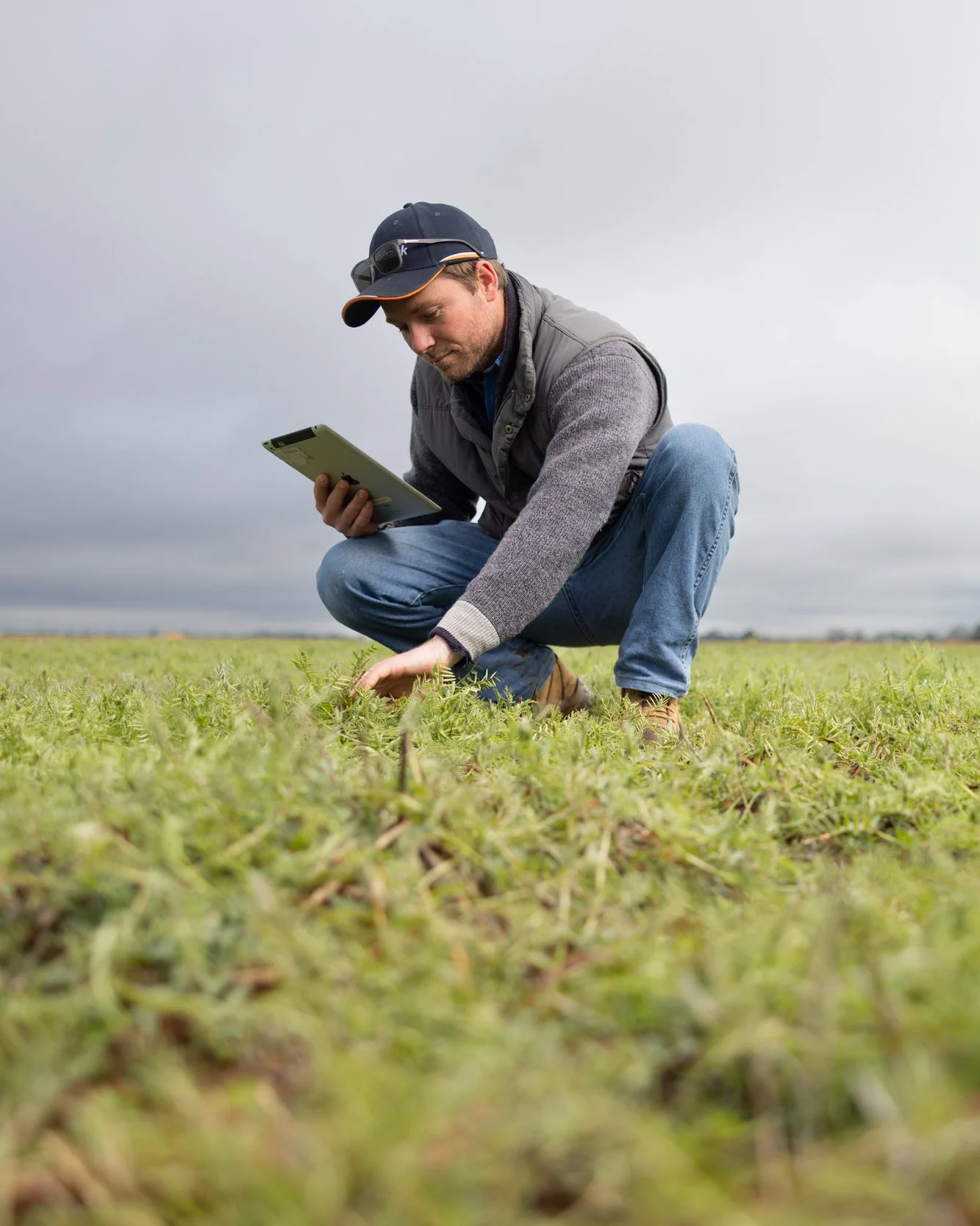
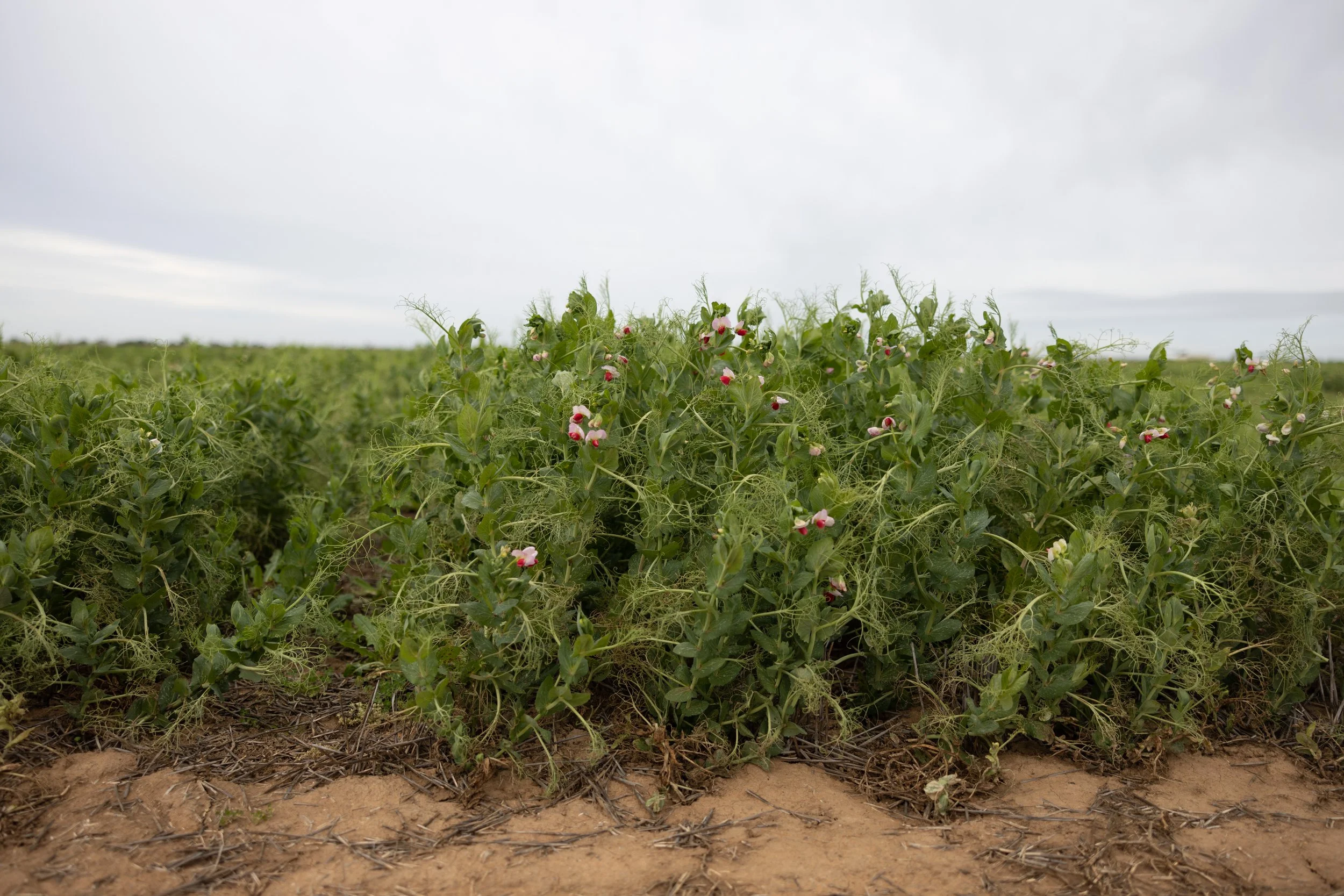
The Profitable Rotations for Intensive Fodder Systems is current flagship investment to support productivity and profitability in the region. Building on the outcomes from Fodder for the Future, the project is delivering trials at Mitiamo and Kerang with partners Birchip Cropping Group and Irrigated Farmers Network, investigating the role of break crops such as vetch, legumes and brassicas in intensive dairy fodder systems.
-
In our region, many systems rely heavily on wheat and maize rotations. Through collaboration with the grains industry, we know low diversity systems can increase production risks from weeds, pests and disease. This project is helping measure exactly how those risks transfer to intensive fodder systems where whole crop silage and hay are removed from the paddock.
GBCMA Soils Project
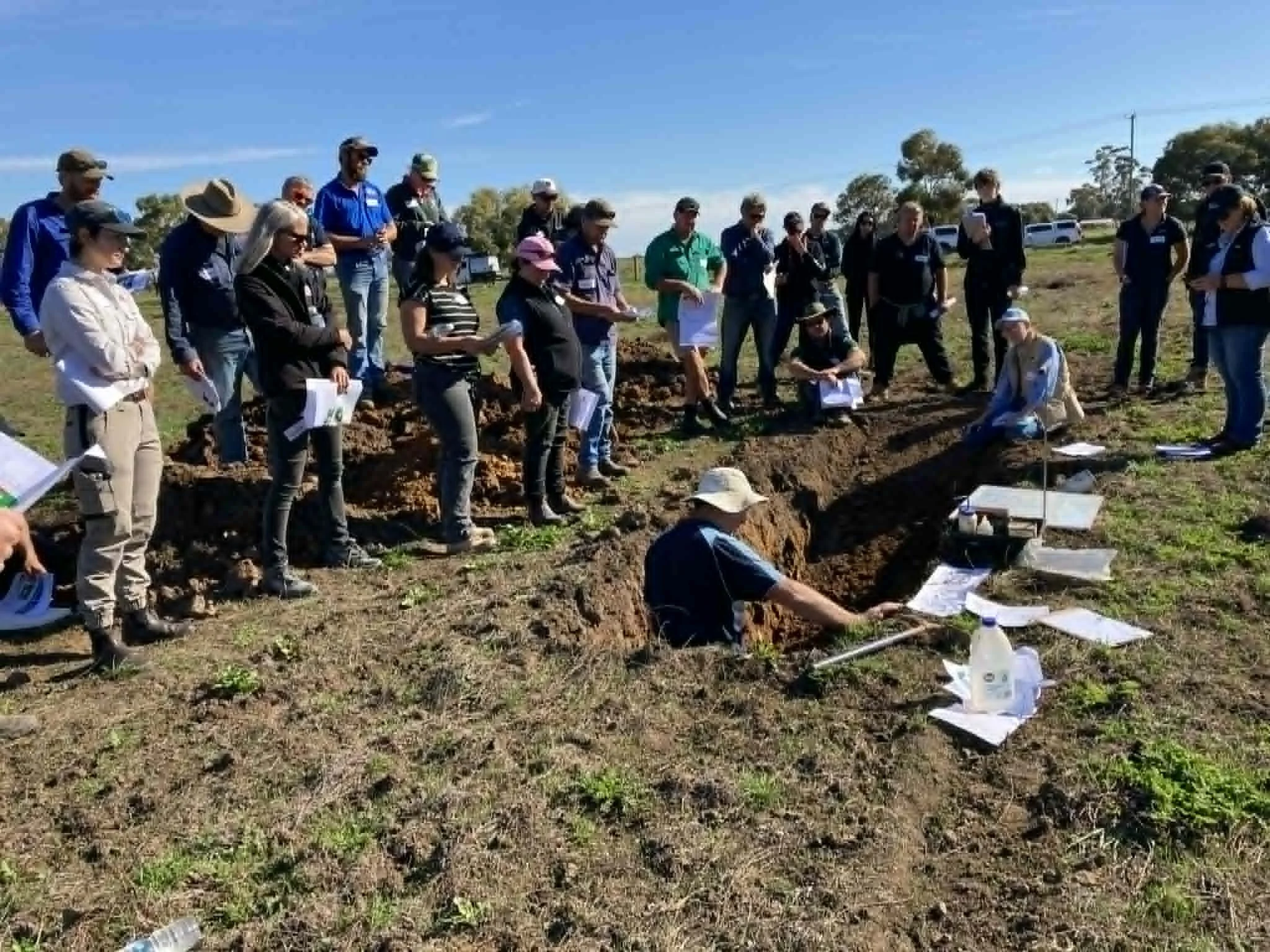
Murray Dairy is working with Goulburn Broken CMA to assist farmers to identify soil constraints affecting their feedbase productivity and water use efficiency. The project is working together with farmers, soil scientist Christian Bannan and service providers to identify practical solutions that suit their business and feedbase system.
-
Working with soil scientist Christian Bannan, this project takes farmers through soil constraints identification and understanding using a soil pit, workshops with a farmer group possible management strategies to improve structure and productivity, and then revisits the same site each year to understand how successful remediation activities have been and what else can be trialled.
This project is supported by the Australian Government thorugh the Natural Heritage Trust under the Climate Smart Agriculture Program.
Connect & Develop
our People
Peer to Peer Networks
Murray Dairy believes the biggest asset our industry has is our people. Supporting networks, groups and leaders to work together is what makes our industry strong. Murray Dairy does this through support peer to peer networks. This includes the Young Dairy Network, Discussion Groups, Dairy Business Networks and Regional Network Groups.
-
We do this by providing administrative support including collecting sponsorship and paying bills so groups can focus on delivering the actual activities they want to part of, and seeking support either through direct funds or access to development and training opportunities.
In 2025 Murray Dairy developed a new relationship with the Alpine Valleys Dairy network to deliver the north east Regional Network Group on our behalf.
To join a group or network, start one in your area or find out more please contact Murray Dairy.
Culturally & Linguistically Diverse Workforce
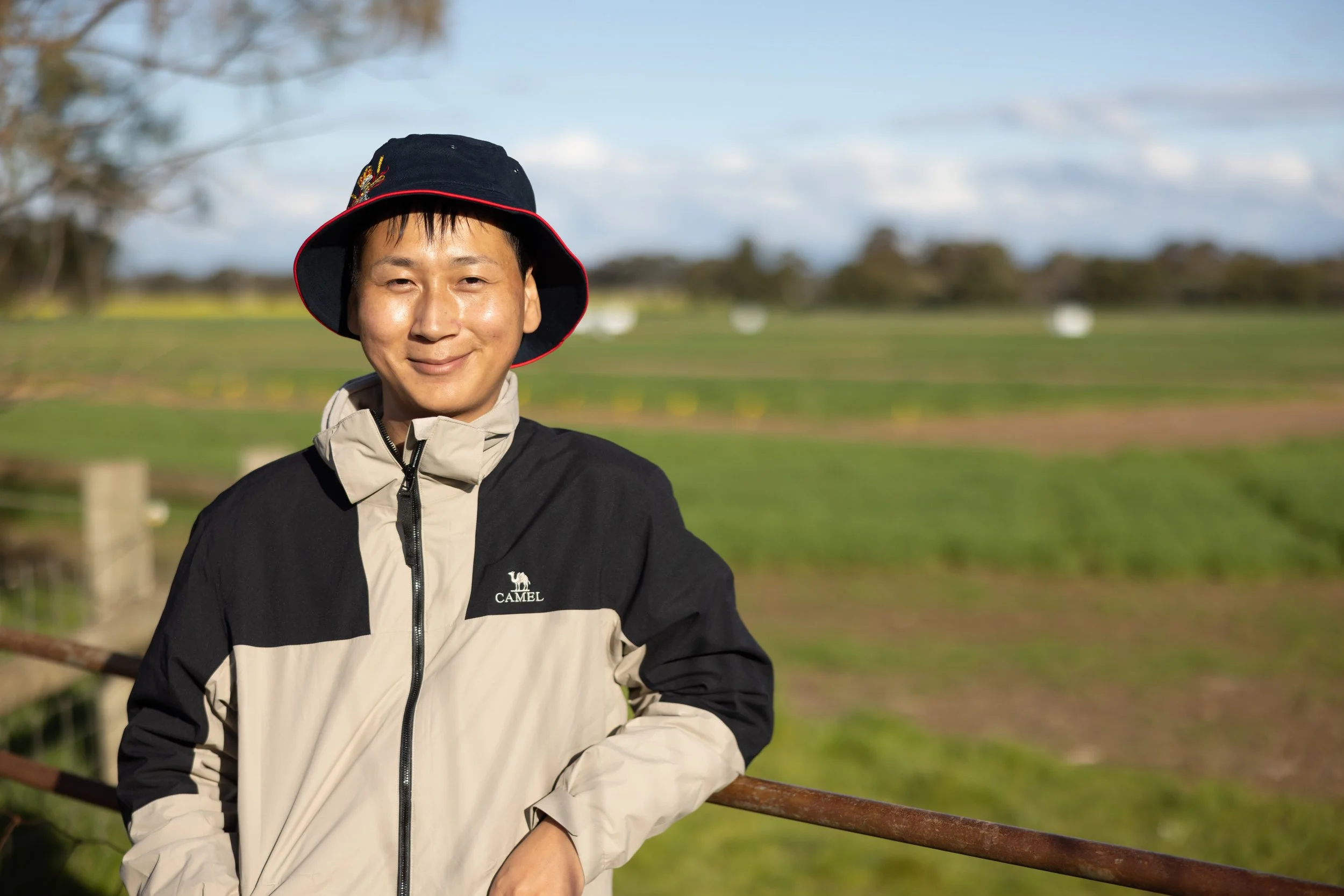
Murray Dairy is proudly partnering with the Gardiner Foundation, with support from RMCG, to deliver ‘Enhancing the Culturally and Linguistically Diverse (CaLD) Engagement Experience in the Dairy Industry’ project.
This work builds on the previous Dairy Australia People Management 1:1 Program by adding CaLD-specific content and piloting the updated program. Farm Businesses can sign up for a session with an experienced HR consultant until June 2027. Please contact Murray Dairy to register.
Q Fever Project
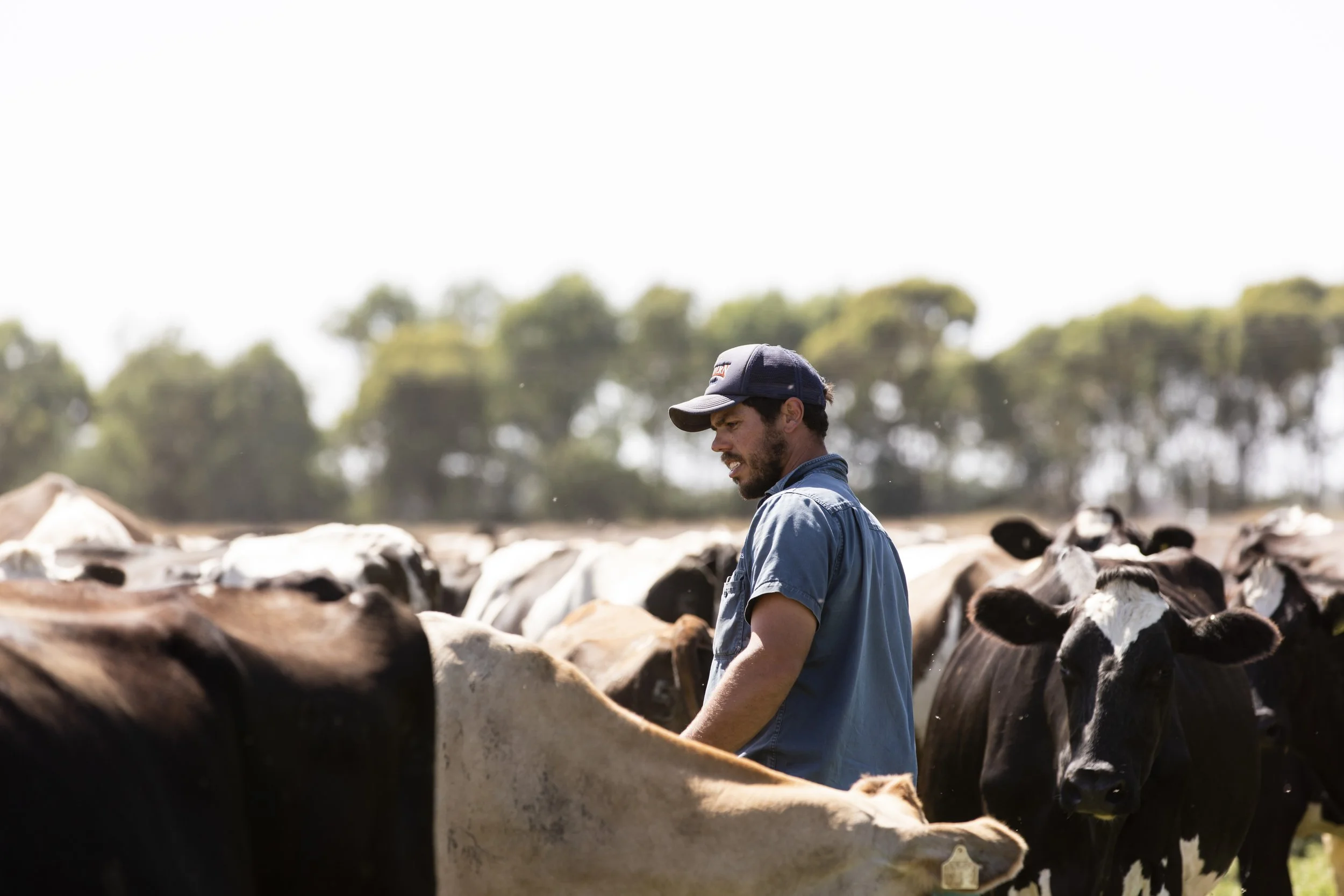
Murray Dairy is working with GippsDairy and health providers to support farmers, their employees and family members to access subsidised Q Fever vaccines until March 27.
-
Q fever is an infectious bacterial disease, it is spread to humans from animals, predominantly cattle, sheep & goats. People usually get infected by breathing in air or dust, contaminated with bacteria from birth fluids, blood, urine, faeces of infected animals.
Q fever can cause flu like symptoms & can cause short- & long-term complications including chronic fatigue & heart disease.
To register an EOI to participate in the project and for more information visit the project website here Preventing Q fever on farm, News | Dairy Australia
Our Students
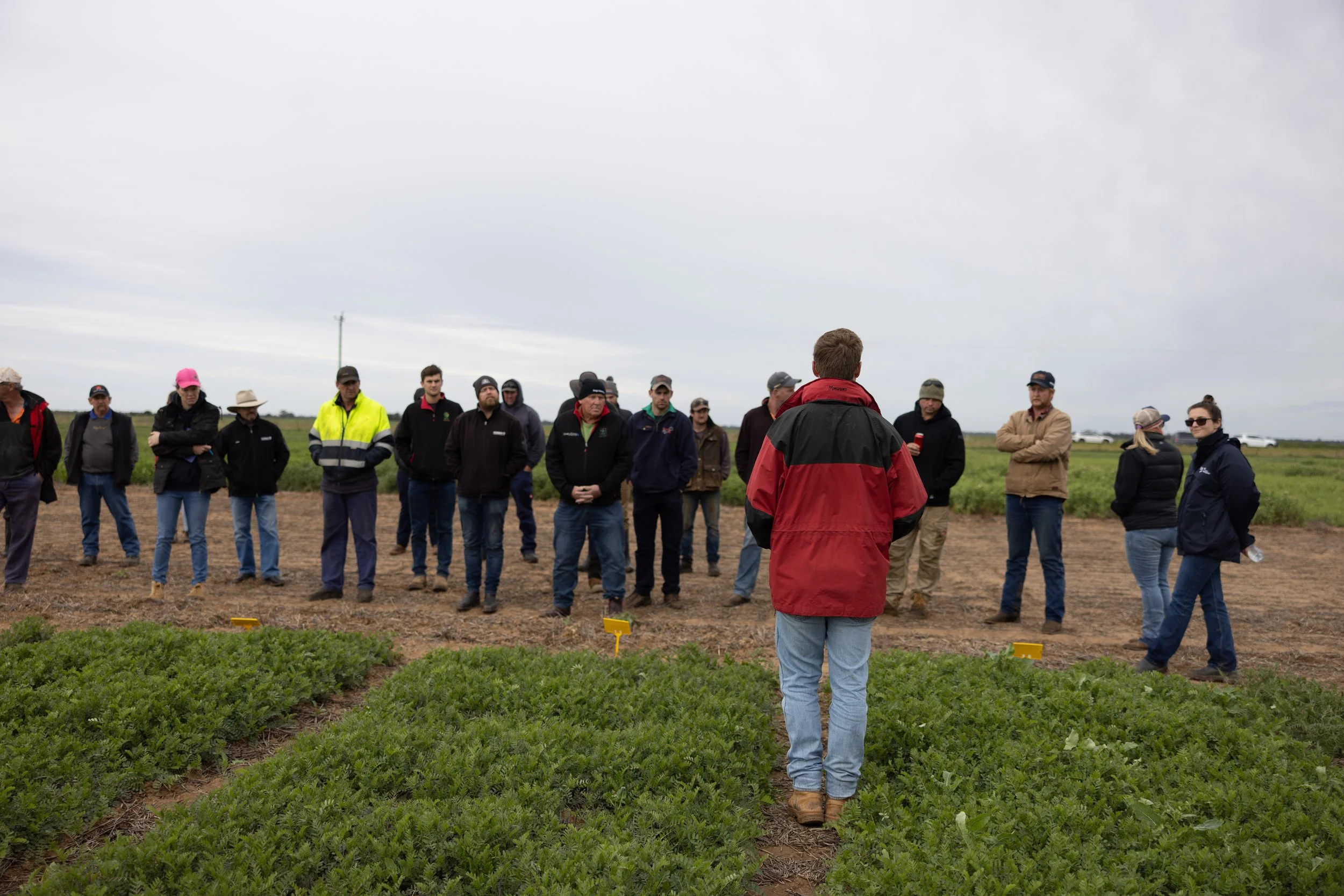
Murray Dairy supports a number of PhD students to deliver high-quality, relevant research to support the future of our industry as part of their studies. This involves providing direct access to data, overseeing technical review, linking students with industry contacts and in some cases providing financial grants.
For more information on our current students and future opportunities, contact Murray Dairy.
Understand Our Industry
Strategic Planning & Policy Support
Murray Dairy collates and maintains an in-depth regional picture of dairy in the Murray region in order to support investment planning, strategic planning and policy development on issues that affect us directly. We do this by working with Dairy Australia, governments, agencies and industry bodies to collate and analyse regional-level data that tells the story of our industry.