HomeLinksContact Us
About UsNews & EventsProjectsRegional FactsMoving to the RegionWater & IrrigationStudentsLibrary
Vision & Mission
Strategic Priorities
Industry Steering Group
CEO
Board
Regional Networks
Regional Extension & Education Committee
Funding
Annual Reports
Employment
Location
Climate
Lifestyle Choices
Industry Value
Farming options
Dairy Processors
Unique Irrigation
Murray Dairy News
Dairy Events
Dairy Event Notes
Media Releases
Introduction
Irrigation Systems
Water Victoria
Water – New South Wales
Lower Murray Darling Basin Inquiry
Modelling Irrigated Dairy Farming Systems
Sub-Surface Drip Irrigation in Pasture Production
30:30 Project
Drought Response
Dairying for Tomorrow
Dairy Business Networks
Research Tour
Young Dairy Development Program
Small Grants
National Projects
Growing the Murray Irrigation Region
Sub-menu 1.2.1.1
Introduction
Business Migration
Doing Business in Murray Dairy
Affordable Land
Secure Water
Introduction
Business Migration
Doing Business in Murray Dairy
Affordable Land
Secure Water
High Productivity
Ideal Climate
Topography
Farming Flexibility
Capital Flexibility
Excellent Infrastructure
Strong Milk Demand
Excellent Returns
Leading Environmental Practices
Farmer Experiences

High Productivity

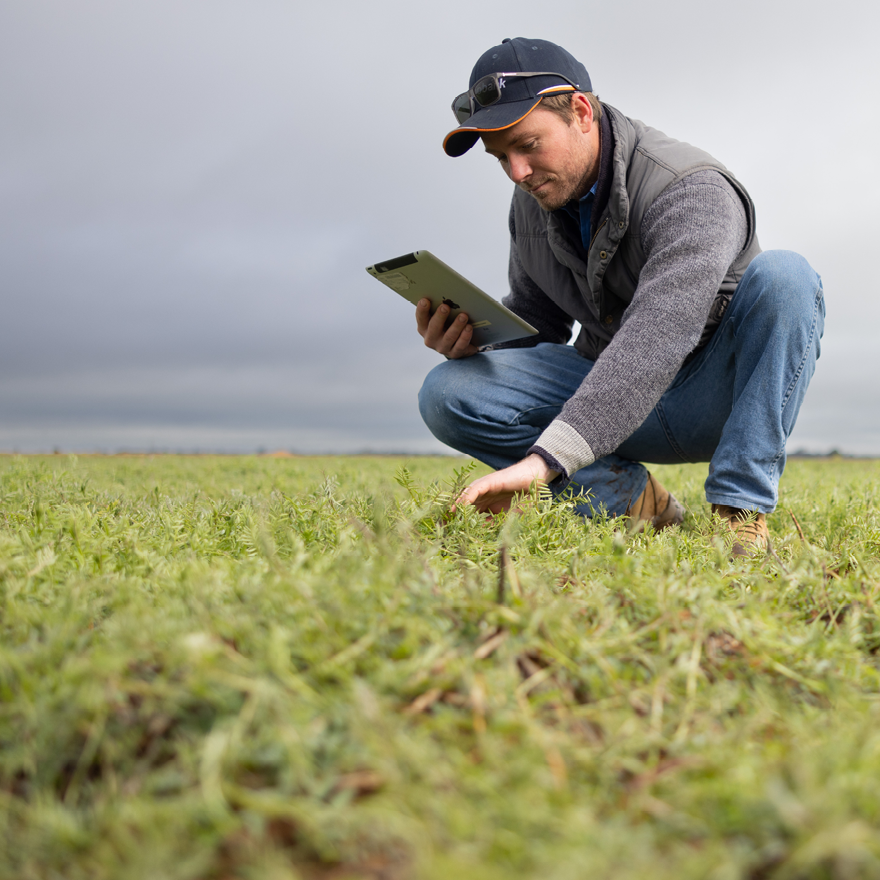
The drivers for pasture and crop growth are sunlight, temperature, water and access to nutrients. The Murray Dairy region is able to capitalise on these key drivers, resulting in very high levels of feed production per hectare of land. Even when temperature limits growth in winter, through the use of new and improved pasture species farms are achieving feed production for 12 months of the year.

The total feed grown on very well managed perennial pasture in the region will exceed 20 tonnes dry matter per hectare. By employing effective grazing management, 70% utilisation is achievable and the best pasture managers are achieving in excess of 15 tonnes dry matter utilised per hectare.

Even though the input costs will be higher on an irrigation farm compared to a farm in a high rainfall region, the combination of cheaper land and increased production per hectare reduces the cost per unit of feed grown and utilised. The access to a reliable water supply also takes away a lot of the variability in amount of home grown feed compared to a rain fed regions, which adds further value.

There are also opportunities to double crop with the use of winter and summer fodder crops such as oats followed by maize. There is a high level of management skill required and increased risk in double cropping but it also has the potential to increase the yield per hectare of land used in excess of 30 tonnes per hectare.